English| USD
Suggested for you
More currencies
Choose a language
Phil Foster Park anchors one of South Florida's most accessible shore-entry snorkel sites, with artificial reef structures, marked underwater trails, and year-round tropical fish populations visible from the surface. The park faces Peanut Island across the Intracoastal Waterway and shares the tidal dynamics that draw divers to Blue Heron Bridge. This guide covers the logistics — park access, tide timing, and what the reef delivers.
Quick answer
Phil Foster Park is open daily from 7am to 7pm with free entry and parking; no admission fee applies. The snorkel trail sits within the park's swim zone on the north side of Blue Heron Boulevard bridge. Best underwater visibility occurs during slack high tide, typically a 30–60 minute window when current slows and suspended sediment settles. Weekday mornings offer the lightest crowds and clearest water before wind picks up.
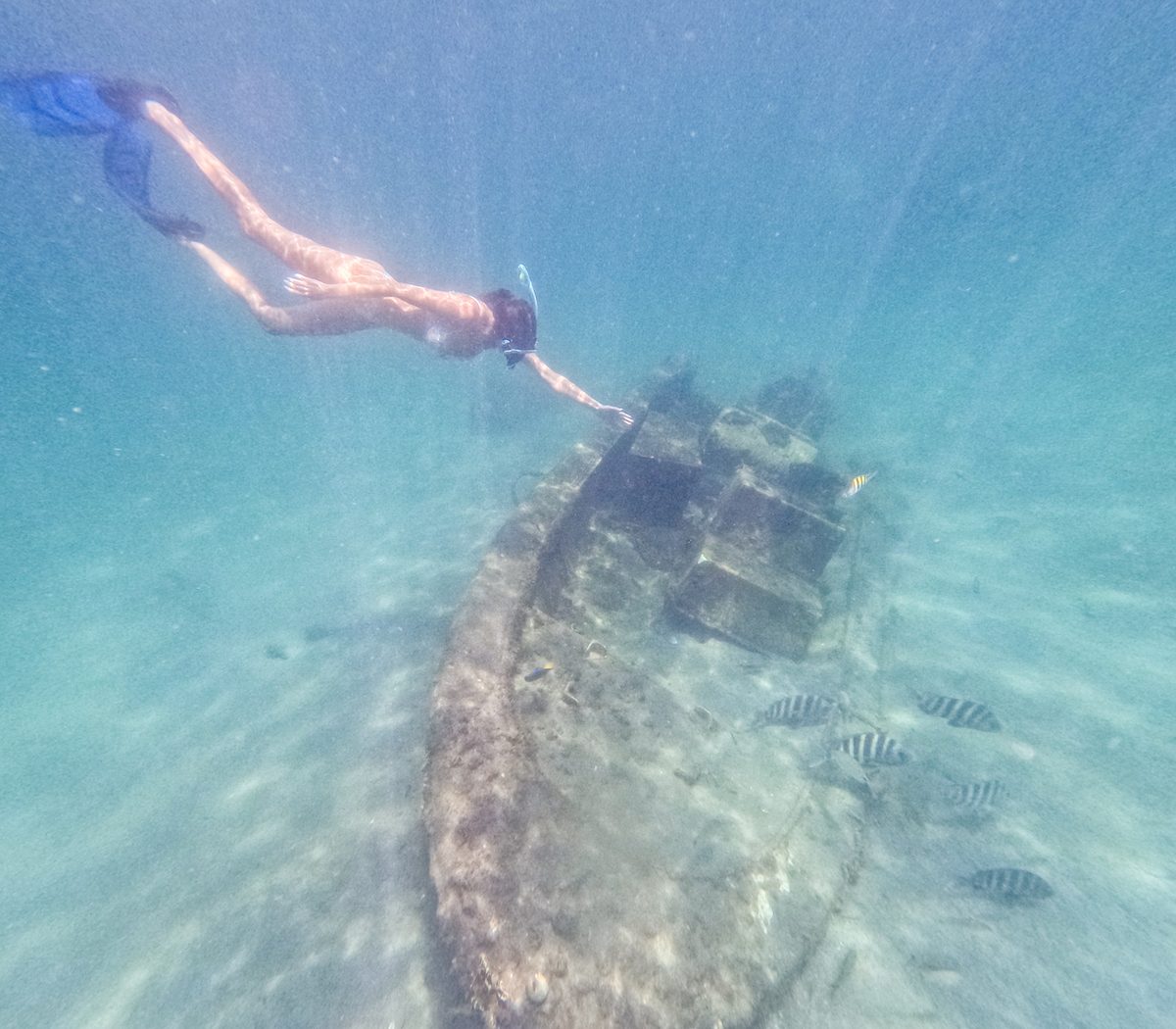
The underwater landscape at Phil Foster Park exists because of intentional design — limestone boulders, concrete modules, and decommissioned pier pilings were placed between 2006 and 2007 to create habitat structure in what had been a featureless sand bottom. The artificial reef now hosts sergeant majors, blue tangs, parrotfish, juvenile spadefish, and seasonal visits from tarpon and snook. Visibility ranges from five feet on poor days to thirty feet during optimal tidal conditions, a variance that makes tide charts more useful than weather forecasts. Snorkeling west palm beach peanut island requires attention to current. The site sits at the convergence of the Lake Worth Lagoon and the Intracoassal Waterway, where tidal exchange moves water rapidly beneath Blue Heron Bridge. During peak incoming or outgoing tide, currents can exceed two knots — strong enough to exhaust novice swimmers and sweep gear downstream. Slack tide, the brief window between flow reversals, offers the only safe entry for most snorkelers. Local dive shops and the park's regular visitors consult tide tables before committing to a launch time, planning arrival to coincide with the hour before or after high slack. The marked snorkel trail begins at the designated swim area on the park's north shore, where orange buoys delineate a zone separate from boat traffic. Entry is a gentle beach walk over sand and seagrass; reef structures begin 30 to 75 yards offshore in water six to twelve feet deep. The trail loops through boulder clusters and piling remnants, each feature encrusted with oysters, barnacles, and tunicates. Spanish hogfish, porkfish, and yellowtail damselfish hold territories near the structures, while sand patches between clusters reveal burrowing gobies and the occasional southern stingray. Night snorkeling is permitted until park closure at 7pm, and the site's proximity to bridge pilings makes it a known spot for observing nocturnal feeders during the final hour of daylight. Kayak and paddleboard access to Peanut Island itself launches from the same beach; the island's western shore offers additional snorkeling over seagrass beds and rubble zones. No lifeguard is stationed at Phil Foster Park, and the site's tidal dynamics require self-sufficiency. Divers with advanced certification use the same entry point for deeper exploration under the bridge span, where pilings descend to 25 feet and attract larger pelagics. The snorkel zone remains distinct and clearly buoyed, but proximity to that dive traffic means surface intervals and flag protocols matter even in shallow water.
“The artificial reef now hosts sergeant majors, blue tangs, parrotfish, juvenile spadefish, and seasonal visits from tarpon and snook.”
The best time for snorkeling at Phil Foster Park is during the slack high tide window, as this provides the clearest visibility. Arriving within the 07:00–18:00 window, specifically early in the day, is essential to secure parking and experience calmer water conditions.
—
These times offer the easiest parking access and reduced foot traffic at the snorkel trail.
Water temperatures near 75–80°F
Warmer air and water temperatures coincide with stable, clear conditions.
Water temperatures near 78–82°F
These months typically avoid peak summer storms and high seasonal winds.
Verdict: For the optimal experience, plan your visit for a weekday morning during April or October, arriving promptly at 07:00 to coincide with the slack high tide.
Phil Foster Park is open daily to the public to provide access for snorkeling and other water activities.
Access to the snorkeling area at Phil Foster Park, located at 900 E Blue Heron Blvd, is provided at no cost. There are no entrance or parking fees required for visitors.
Verdict: A typical visitor pays 0 USD for park access, though a 15 USD permit is required if using the boat ramp for a trailer.
Phil Foster Park is located at 900 E Blue Heron Blvd, Riviera Beach, FL 33404, USA. The park is most easily accessible by car, situated just east of the Blue Heron Boulevard bridge.
I-95 to exit 76 (Blue Heron Blvd) heading east
Palm Tran Route 20 or 21 to Blue Heron Blvd
Navigate to the Lake Worth Lagoon near Peanut Island
Follow signs for Phil Foster Park immediately after crossing the bridge from the mainland. Arrive early to secure parking near the snorkeling beach access points.
Prepare your gear and plan for tidal conditions to make the most of your snorkeling visit.
Everything you need to know about snorkeling west palm beach peanut island
Yes, access to Phil Foster Park is free, making snorkeling west palm beach peanut island an accessible activity for everyone. While entry and parking are free, please note that a boat ramp trailer permit costs 15 USD if you are launching a vessel. The park remains open daily from 07:00 to 19:00 to accommodate your visit.
The best time to visit is between 07:00 and 18:00 to align with favorable water conditions. We recommend planning your session during the slack high tide window, as this provides the best visibility for viewing marine life. Arriving early is also the most effective strategy to secure parking in this popular area.
Yes, the park is well-equipped with public restrooms, outdoor showers, and picnic pavilions to enhance your experience. These facilities make snorkeling west palm beach peanut island more comfortable after you exit the water. You will also find designated areas for rinsing off your gear after exploring the artificial reef.
The snorkeling trail is located within a protected area, but you should always remain vigilant of nearby boat traffic in the surrounding Blue Heron Bridge channel. For safety, it is highly recommended to use a dive flag when snorkeling west palm beach peanut island to ensure you are visible to passing watercraft. Staying within the designated trail boundaries is the safest way to enjoy the underwater scenery.
The shallow waters near the shore are generally calm and perfect for those new to the activity. Many families find the area approachable, though you should always assess local conditions and your own swimming ability before entering. It is helpful to consider guided Florida snorkeling tours if you prefer extra supervision or local expertise.
You should bring your own mask, snorkel, fins, and perhaps a rash guard or wetsuit for sun protection and buoyancy. While the park is a public facility, it does not provide rental equipment on-site for visitors. Remember to bring plenty of water, sunscreen, and a waterproof bag to keep your belongings secure while you are in the water.